Most homeowners don’t think about the pipes behind their walls until something goes wrong. But aging plumbing systems can cause leaks, water damage, low pressure, and costly repairs if they’re not addressed early. In Colorado, where many homes were built decades ago and experience dramatic temperature swings, repiping is more common than people realize.
If you’ve noticed changes in your water quality, pressure, or plumbing performance, your home may be trying to tell you it’s time to repipe your home.
Here are the most important signs that your home may need repiping, and why acting early can save you thousands.
1. Discolored or Rust‑Colored Water
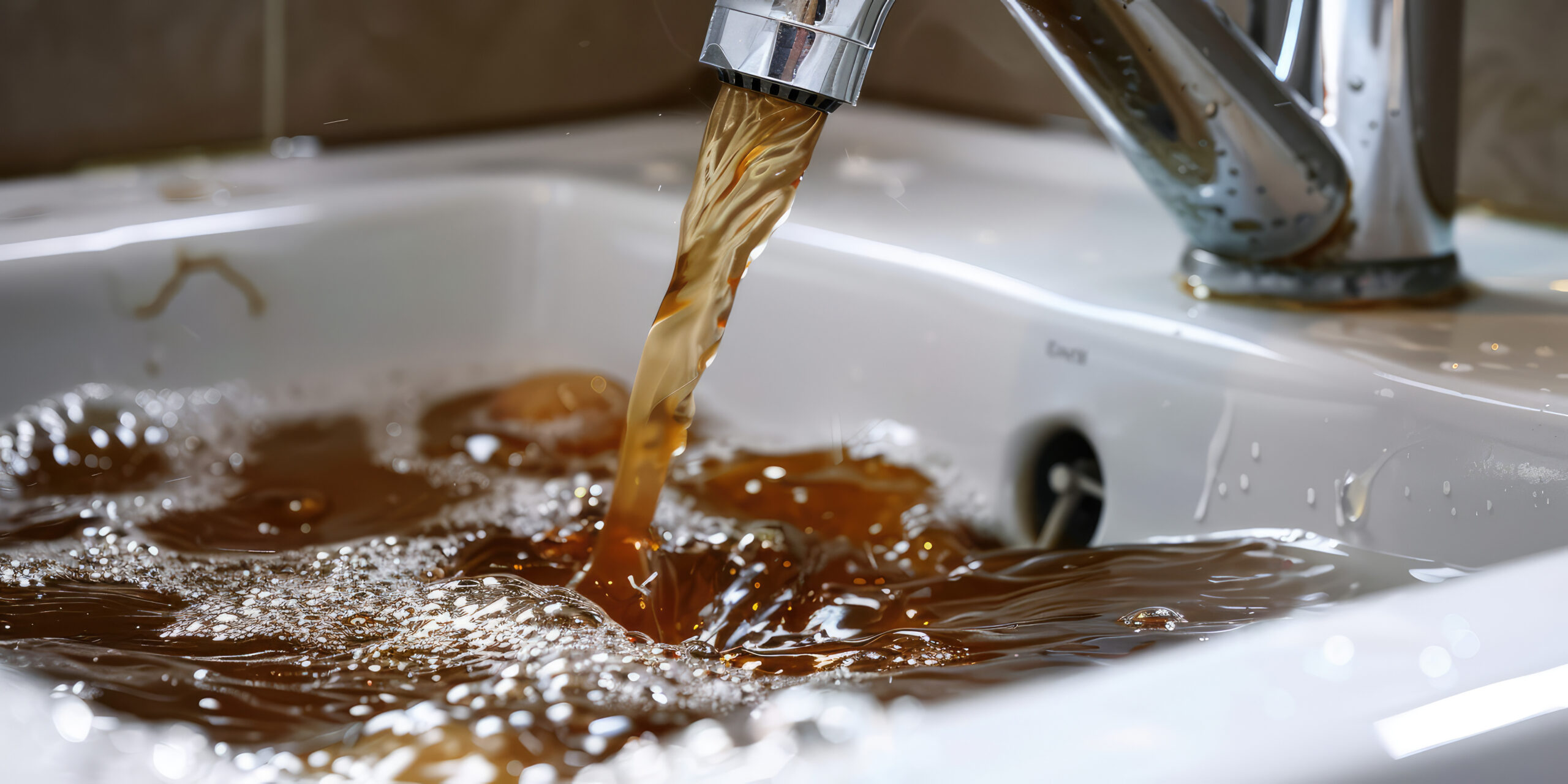
If your water looks brown, yellow, or rusty when you turn on the tap, it’s a major red flag. This usually means:
- Corrosion inside old galvanized steel pipes
- Rust breaking loose inside your plumbing system
- Mineral buildup from Colorado’s hard water
Discolored water isn’t just unpleasant; it’s a sign that your pipes are deteriorating from the inside out.
2. Frequent Leaks or “Mystery” Water Damage
One leak can be a fluke.
Two leaks are a warning.
More than that? Your plumbing system is failing.
Common signs that you need to repipe your home include:
- Water stains on ceilings or walls
- Damp spots on the flooring
- Musty odors
- Repeated pinhole leaks
If leaks keep happening in different areas, repiping is often more cost‑effective than constant repairs.
3. Low Water Pressure Throughout the Home
Low pressure in one faucet is usually a fixture issue.
Low pressure everywhere is a piping issue.
This can be caused by:
- Corrosion is narrowing the inside of pipes
- Mineral buildup from hard water
- Failing galvanized or polybutylene pipes
If your showers feel weak or your sinks barely flow, your pipes may be restricting water movement.
4. Your Home Has Galvanized or Polybutylene Pipes
Many older Colorado homes — especially those built before the 1990s — still have outdated pipe materials that are known to fail.
Galvanized steel pipes
- Corrode from the inside
- Cause rusty water
- Reduce pressure
- Are prone to leaks
Polybutylene pipes
- Become brittle over time
- Fail without warning
- Are no longer approved by building codes
If your home has either material, repiping is strongly recommended.
5. Strange Tastes or Odors in Your Water
Metallic, earthy, or chemical‑like tastes often indicate pipe deterioration.
This can come from:
- Rust
- Bacteria buildup
- Corroded pipe interiors
Even if your water is technically safe, it’s a sign your plumbing system is aging.
6. Noisy Pipes: Banging, Rattling, or Whistling
Unusual pipe noises can signal:
- Loose or shifting pipes
- High pressure caused by restricted flow
- Water hammer
- Failing internal pipe walls
While not always an emergency, noisy pipes often point to deeper issues.
7. Your Plumbing System Is 40+ Years Old
Even the best plumbing materials have a lifespan.
If your home is older and still has its original pipes, repiping is often the safest long‑term solution.
Modern materials like PEX and copper offer:
- Better durability
- Higher efficiency
- Improved water quality
- Fewer leaks
- Longer lifespan
Why Repiping Is a Smart Investment
Repiping isn’t just about fixing problems — it’s about preventing them.
Benefits include:
- Strong, consistent water pressure
- Cleaner, better‑tasting water
- Fewer leaks and emergency repairs
- Higher home value
- Peace of mind
For many homeowners, repiping ends up costing less than years of patch‑and‑repair fixes.
Trust Lakewood Plumbing & Heating for Expert Repiping Services
Whether you’re dealing with rusty water, low pressure, or aging pipes, our licensed plumbers can inspect your system and recommend the best solution for your home.
We proudly serve Lakewood, Golden, Highlands Ranch, Castle Rock, and the entire Front Range with:
- Whole‑home repiping
- Partial repiping
- Pipe inspections
- Leak detection
- Water quality improvements
If your home is showing the signs, don’t wait.
Schedule a repiping evaluation today and protect your home from future damage.