Spring in Colorado is beautiful — longer days, warmer afternoons, and the start of outdoor season. But it’s also one of the most common times of year for plumbing issues to show up. As temperatures rise and snowmelt increases, your home’s plumbing system experiences new pressure, new usage patterns, and new risks.
At Lakewood Plumbing & Heating, we help homeowners across the Front Range prepare for spring by identifying early warning signs and preventing small issues from turning into expensive repairs.
Here are the most common plumbing problems we see every spring — and how to stay ahead of them.
1. Hidden Leaks Revealed by Temperature Swings
Colorado’s freeze‑thaw cycles don’t end in February. Spring nights can still dip below freezing, and those temperature swings can expose:
- Cracked pipes
- Loose fittings
- Slow leaks behind walls
- Dripping outdoor spigots
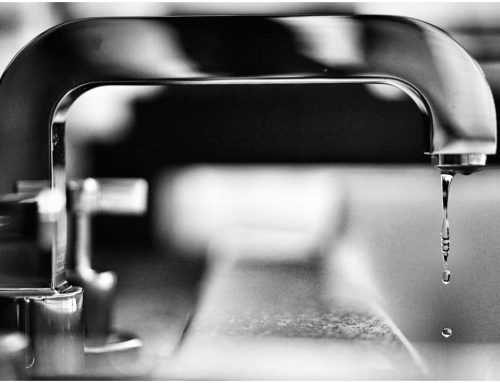
Even a small leak can waste hundreds of gallons of water and cause structural damage if ignored. If you notice damp spots, higher water bills, or reduced water pressure, it’s time for an inspection.
2. Clogged or Slow Drains From Winter Buildup
During winter, drains see heavier use — more cooking, more time spent indoors, and less outdoor drainage. By spring, this can lead to:
- Slow sinks
- Gurgling drains
- Backups in showers or tubs
- Odors coming from pipes
Spring is the perfect time for a professional drain cleaning to clear out grease, debris, and buildup before summer guests and outdoor activities increase water usage.
3. Sump Pump Failures During Snowmelt
As snow melts along the Front Range, groundwater levels rise. Homes with basements or crawl spaces rely on sump pumps to prevent flooding.
Common spring sump pump issues include:
- Pumps that won’t turn on
- Clogged discharge lines
- Burned‑out motors
- Overwhelmed systems during heavy melt
A quick spring check can prevent water damage and costly repairs.
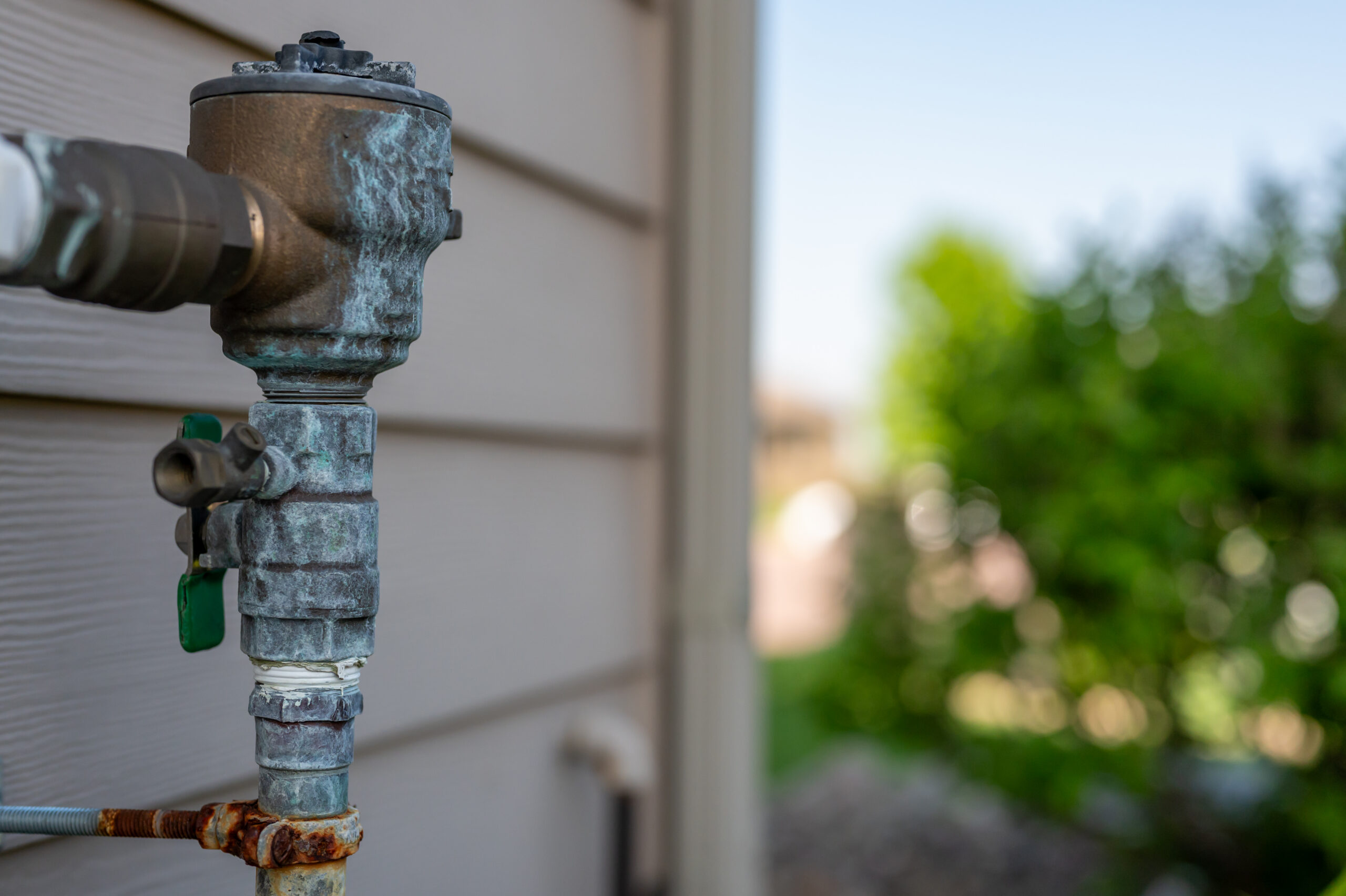
4. Outdoor Spigot, Backflow Preventer and Hose Bib Damage
Frozen hose bibs are one of the most common spring plumbing problems in Colorado. Even if you disconnected hoses last fall, a small amount of trapped water can freeze and crack the line.
Signs of a damaged spigot include:
- Water leaking inside the home when the spigot is turned on
- Weak outdoor water pressure
- Dripping or spraying from the connection
Fixing this early prevents major water damage inside walls.
5. Water Heater Strain After Winter
Your water heater works harder in winter. By spring, you may notice:
- Lukewarm water
- Longer heat‑up times
- Rumbling or popping noises
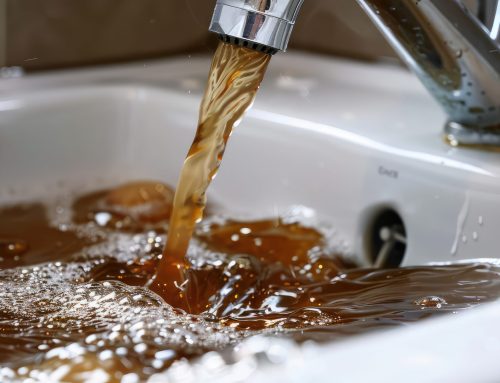
- Rust‑colored water
Sediment buildup is common in Colorado’s hard water areas. A spring flush or inspection can extend the life of your water heater and improve efficiency.
6. Sewer Line Problems From Tree Root Growth
Spring is when tree roots wake up — and they love moisture. Roots naturally seek out small cracks in sewer lines, causing:
- Slow drains throughout the home
- Sewage smells
- Backups in lower‑level bathrooms
- Gurgling toilets
A camera inspection can catch root intrusion early before it becomes a major repair.
7. Irrigation System Leaks and Pressure Issues
As homeowners turn on sprinklers for the first time, hidden winter damage becomes obvious:
- Broken sprinkler heads
- Leaking valves
- Low pressure zones
- Water pooling in the yard
A spring irrigation check ensures your system is ready for summer watering.
Protect Your Home This Spring — Schedule a Plumbing Checkup
Spring is the perfect time to make sure your plumbing system is ready for warmer weather, increased water use, and Colorado’s unpredictable temperature swings.
Whether you’re in Lakewood, Golden, Highlands Ranch, Castle Rock, or anywhere along the Front Range, Lakewood Plumbing & Heating is here to help with:
- Leak detection
- Drain cleaning
- Water heater service
- Sump pump repair
- Sewer line inspections
- Outdoor spigot repair
- Irrigation system checks
Stay ahead of spring plumbing problems — schedule your service today and protect your home before issues escalate.